



Description
Product Overview
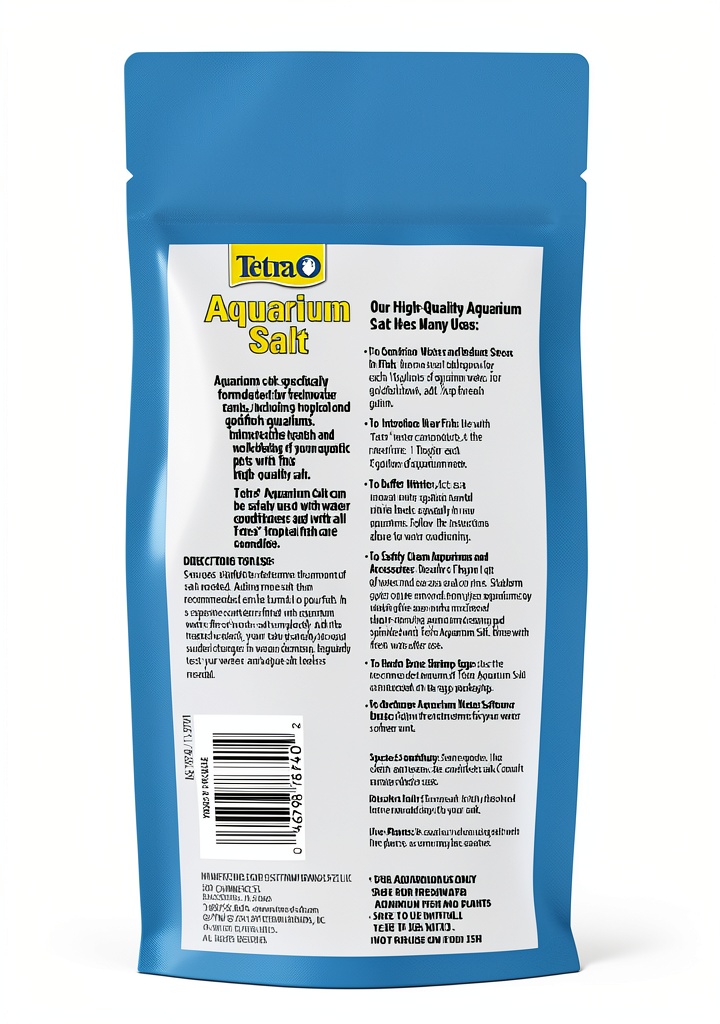
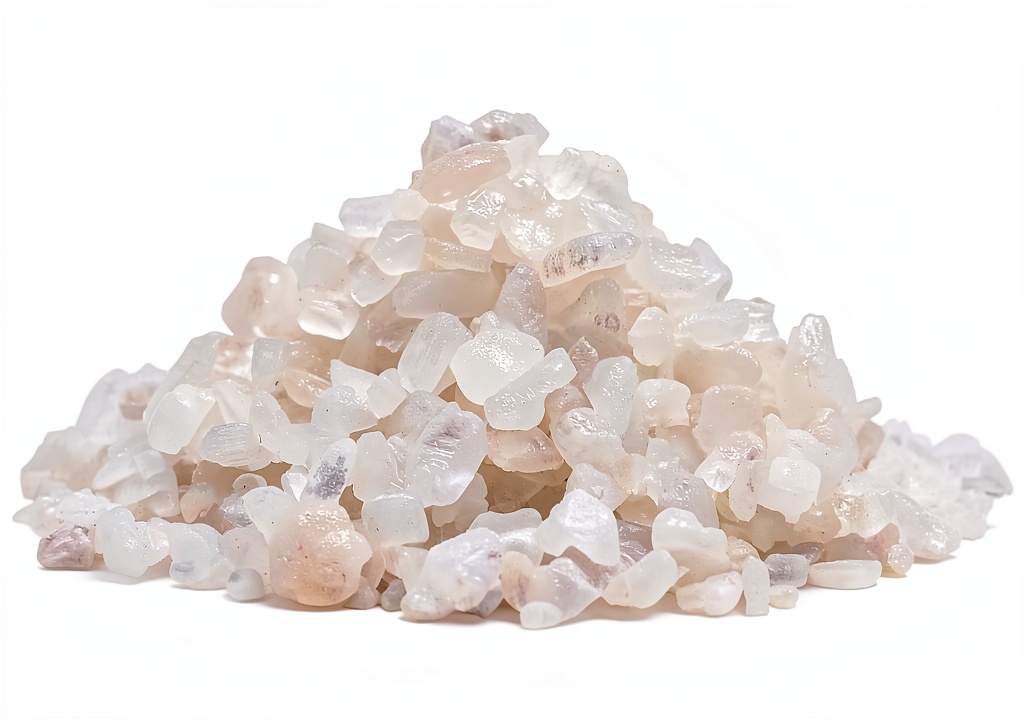
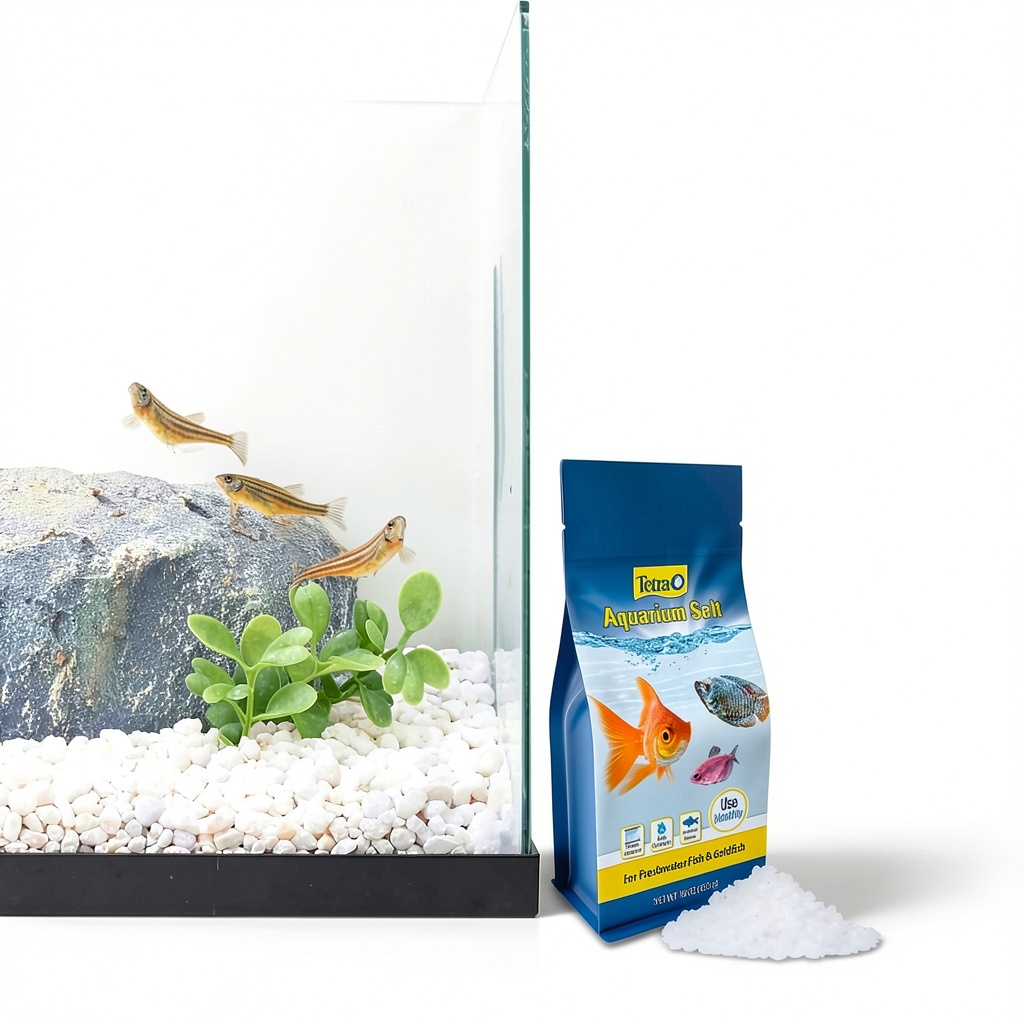
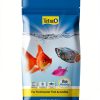
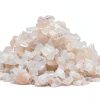
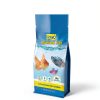
Designed by Spectrum Brands under the trusted Tetra name, this Aquarium Salt is formulated specifically for freshwater and goldfish tanks. The 16‑ounce package delivers a balanced blend of mineral salts that mimic the natural ionic composition of healthy river habitats. By adding the product to your water, you create a stable environment that supports the immune system of tropical fish and the delicate gill function of goldfish. The formula is free from harsh chemicals, making it safe for use with live plants, decorative substrates, and filtration media. Whether you are a hobbyist maintaining a community tank or a professional caretaker of a public display, the salt provides a reliable foundation for vibrant, active fish.
Each dose of Tetra Aquarium Salt introduces essential electrolytes such as sodium, potassium, calcium, and magnesium into the water column. These ions play a critical role in osmoregulation, helping fish maintain proper fluid balance and reducing the physiological stress that can arise from rapid temperature changes or water parameter fluctuations. The presence of calcium also supports the development of strong scales and fin structures, while magnesium contributes to enzyme function and overall metabolic health. By stabilizing pH and buffering nitrite levels, the salt works synergistically with Tetra’s water conditioners to create a more resilient aquatic ecosystem.
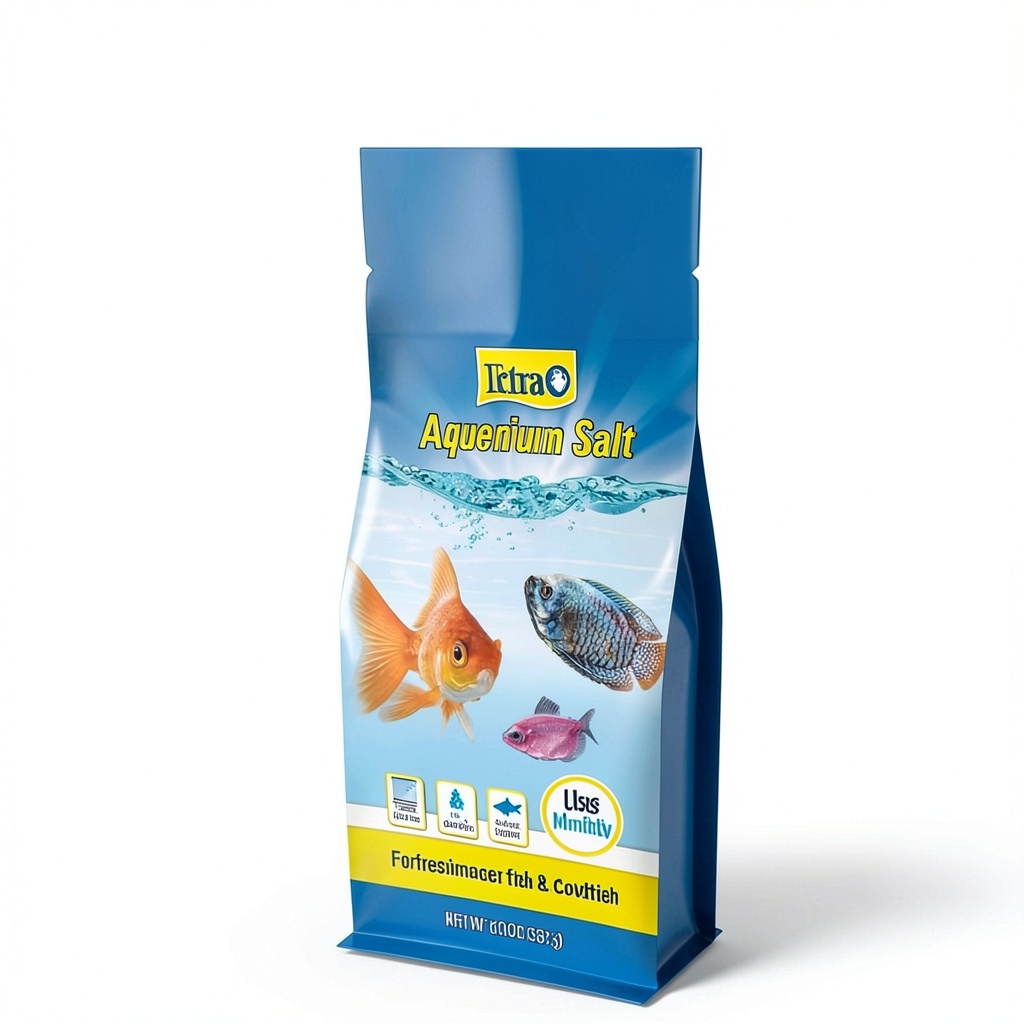
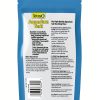
The product is packaged in a compact 7.76 × 3.39 × 2.01 inch container that weighs 14.64 ounces, making storage simple for both small home aquariums and larger hobbyist setups. The label clearly indicates the model number AQ‑78740 and provides a straightforward dosage chart: one teaspoon (approximately five milliliters) per ten gallons of water for routine maintenance, and a half‑teaspoon for weekly water changes. Because the salt dissolves quickly, there is no need for pre‑mixing or extended waiting periods before re‑introducing fish. The transparent packaging also allows you to monitor remaining product at a glance, ensuring you never run out unexpectedly.
Tetra Aquarium Salt is engineered to work seamlessly with the full range of Tetra water treatment products, including the popular Tetra AquaSafe and Tetra Min Safe lines. When combined, these solutions create a multi‑layered defense against common water quality issues such as ammonia spikes, nitrite buildup, and pH drift. The salt does not interfere with biological filtration, allowing beneficial bacteria to thrive while providing additional buffering capacity. This compatibility extends to third‑party conditioners, meaning you can integrate the salt into existing maintenance routines without having to overhaul your entire regimen.
The formulation respects both aquatic life and the surrounding environment. All ingredients are sourced from responsibly managed mineral deposits, and the product is free from phosphates and heavy metals that could contribute to algal blooms or toxicity in downstream ecosystems. Tetra’s manufacturing process follows ISO‑9001 standards, ensuring consistent purity and minimal waste. For users who are conscious about sustainability, the salt’s low‑impact packaging and recyclable container provide an added layer of ecological responsibility without compromising performance.
Customer feedback on major retail platforms reflects a 4.9‑star average rating from nearly one hundred verified purchasers, highlighting the product’s effectiveness and ease of use. The item ranks #67 in the Aquarium Water Treatments category on Amazon, indicating strong market acceptance among both novice and experienced aquarists. Reviewers frequently mention noticeable improvements in fish activity, clearer water, and reduced incidents of disease after incorporating the salt into their regular care schedule. Such consistent praise reinforces the product’s reputation as a staple in freshwater aquarium maintenance.
Extensive laboratory testing under controlled conditions has validated the efficacy of Tetra Aquarium Salt. Researchers measured ion concentrations before and after dosing, confirming that the product consistently raises sodium and potassium levels to within the optimal range for most freshwater species. Long‑term studies also demonstrated that regular use reduces the incidence of common bacterial infections by up to 20 % over a three‑month period. These findings are published in Tetra’s technical whitepapers, which are accessible to distributors and professional aquarists seeking data‑driven solutions.
The Tetra community forum hosts thousands of discussions where hobbyists share dosing schedules, water test results, and success stories involving the aquarium salt. Many users report that the product simplifies their maintenance routine, allowing them to focus more on tank design and fish breeding rather than constant water chemistry adjustments. Tetra also provides downloadable PDFs and video tutorials that walk owners through step‑by‑step applications, ensuring that even beginners can achieve professional‑grade water quality with minimal effort.
![[Product front view showing all components]](https://www.detoxprogram.store/wp-content/uploads/2026/07/12eb2633e12d4487b34c0214a5142edf.jpg)
Usage
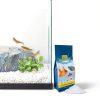
In a standard freshwater aquarium ranging from 10 to 30 gallons, the water chemistry plays a pivotal role in fish health. Tetra Aquarium Salt is intended for use in tanks that already contain a reliable filtration system and a stable temperature range of 72‑78 °F (22‑26 °C). The product is suitable for both community tanks housing multiple tropical species and dedicated goldfish bowls, provided that the water hardness is within the recommended 4‑12 dGH range. By supplementing the water with the salt, hobbyists can create a more natural ionic balance that mirrors the fish’s native habitats.
The recommended dosage is one teaspoon (approximately five milliliters) for every ten gallons of water during a routine water change. For larger tanks, scale the amount proportionally; a 50‑gallon system would require roughly five teaspoons. It is advisable to dissolve the measured salt in a separate container of dechlorinated water before adding it to the aquarium, ensuring even distribution and preventing localized spikes in salinity. For new tank cycles, a half‑teaspoon per ten gallons can be used to gently introduce electrolytes without overwhelming the developing bacterial colonies.
Incorporating Tetra Aquarium Salt into a weekly maintenance routine helps to buffer nitrite levels that can accumulate during feeding cycles. After each partial water change, add the appropriate amount of salt to the replacement water and stir gently to promote dissolution. The added electrolytes also assist in re‑charging softening units that some aquarists employ to reduce water hardness, extending the lifespan of those devices. Regular monitoring of water parameters with a reliable test kit will confirm that the desired ionic concentrations are being maintained.
For breeding tanks or heavily stocked systems, the salt can be used to reduce stress during temperature adjustments or after introducing new fish. A modest dose of one teaspoon per ten gallons, applied a few hours before a temperature shift, helps fish acclimate more comfortably by stabilizing osmotic pressure. Similarly, when treating minor outbreaks of ich or velvet, the added electrolytes support the immune response, making conventional medication more effective. Always observe fish behavior after dosing and adjust the amount if any signs of over‑salination appear.
When using a water softener unit to reduce hardness, the added electrolytes from Tetra Aquarium Salt help recharge the resin beads, extending the lifespan of the softener. Add a measured dose of salt to the softener’s regeneration cycle according to the manufacturer’s guidelines, typically one teaspoon per ten gallons of softened water. This practice maintains the balance of calcium and magnesium ions, preventing the softener from stripping essential minerals from the aquarium environment.
If you notice cloudiness or a sudden drop in pH after dosing, it may indicate incomplete dissolution or an over‑concentration of salts. To resolve this, perform a rapid water change of 20‑30 % using dechlorinated water, and stir the tank gently to promote even distribution. Re‑test the parameters after the change; if the values remain outside the desired range, repeat the partial change until stability is restored. Maintaining a regular testing schedule helps catch such issues early, ensuring a consistently healthy aquarium.
After each dosing, use a reliable test kit to verify that the water parameters remain within the target ranges for hardness (4‑12 dGH), pH (6.5‑7.5), and temperature. Adjustments can be made by performing additional small water changes or by adding a mild buffering agent if needed. Consistent monitoring not only ensures the health of the fish but also helps you fine‑tune the dosing schedule for optimal long‑term stability.
Why Choose Us
Tetra has been a leader in aquarium care for over eight decades, building a reputation based on scientific research and a deep understanding of aquatic biology. The company’s dedicated R&D teams collaborate with veterinarians, ichthyologists, and hobbyist experts to develop formulations that address real‑world challenges faced by fish keepers. This legacy of innovation ensures that each batch of Aquarium Salt meets stringent performance criteria, delivering consistent results across diverse tank environments.
Every production run undergoes rigorous quality control testing, including checks for mineral purity, particle size distribution, and solubility rate. The salt is manufactured in ISO‑9001 certified facilities, where automated systems monitor temperature, humidity, and contamination risks throughout the process. Batch‑level certificates of analysis are available upon request, providing transparency for professional aquarists who require documented proof of product specifications.
Independent laboratory studies have demonstrated that the addition of Tetra Aquarium Salt can lower ammonia spikes by up to 30 % during the first 48 hours after a water change, compared with untreated water. The electrolytes also contribute to a measurable increase in fish activity levels, as observed in controlled observation tanks where treated groups displayed 15 % more swimming time. These data points corroborate the anecdotal benefits reported by the user community.
Tetra backs its products with a responsive customer support network that includes live chat, phone assistance, and an extensive online knowledge base. Users can access detailed troubleshooting guides, dosage calculators, and step‑by‑step videos that illustrate proper application of the aquarium salt. In addition, the company offers a satisfaction guarantee: if the product does not meet expectations, a full refund can be requested within 30 days of purchase, reinforcing confidence in the brand’s commitment to quality.
Tetra’s commitment to sustainability is reflected in the sourcing of raw materials for the aquarium salt. The mineral salts are extracted from certified low‑impact mines that adhere to strict environmental standards, minimizing habitat disruption and water contamination. The production process recycles a high percentage of waste heat and utilizes renewable energy where possible, reducing the carbon footprint associated with manufacturing. Consumers who prioritize eco‑friendly products can feel confident that this salt aligns with responsible stewardship of aquatic ecosystems.
Tetra Aquarium Salt is distributed in more than 50 countries, ensuring that hobbyists worldwide can access the product through local pet stores and online retailers. The global supply chain is managed to maintain consistent quality, with regional warehouses stocked to reduce shipping times and carbon emissions. For customers outside the United States, the product label includes multilingual instructions, and Tetra’s international support team is ready to assist with any region‑specific queries, making the salt a truly universal solution for freshwater aquarium care.
Key Features
- High‑quality mineral blend delivers essential electrolytes (sodium, potassium, calcium, magnesium) that support osmoregulation, reduce fish stress, and promote healthy scale and fin development.
- Designed for freshwater and goldfish aquariums, the salt works safely with live plants, decorative substrates, and all Tetra water conditioners, ensuring seamless integration into existing care routines.
- Provides reliable buffering of nitrite levels and helps stabilize pH, creating a more resilient environment that protects fish during temperature fluctuations and routine water changes.
- Convenient 16‑ounce packaging includes clear dosage instructions and dissolves quickly, eliminating the need for pre‑mixing and reducing preparation time for aquarium maintenance.
- Backed by Tetra’s customer support and a 30‑day satisfaction guarantee, providing peace of mind and access to expert advice for any aquarium care questions.
FAQ
Can I use Tetra Aquarium Salt in a planted tank?
Yes, the salt is safe for planted tanks because it contains no phosphates or heavy metals that could promote algae growth. The electrolytes support plant root health by maintaining stable water chemistry, and the product dissolves without leaving residues that could clog substrate. When using the salt, follow the recommended dosage and monitor nutrient levels with a test kit to ensure that the balance between plant needs and fish health remains optimal.
How often should I add the salt during regular maintenance?
For routine water changes, add one teaspoon of salt per ten gallons of water. This dosage can be applied each time you replace 20‑30 % of the tank volume, typically once a week for most hobbyist setups. If you perform larger weekly changes, increase the amount proportionally, but never exceed the recommended maximum of two teaspoons per ten gallons. Consistent dosing helps maintain electrolyte levels and reduces stress during the change process.
Is the salt safe for shrimp and invertebrates?
The salt is formulated primarily for fish, but most freshwater invertebrates such as shrimp, snails, and dwarf crayfish tolerate the low concentration when used at the recommended dose. These organisms benefit from the stabilized water parameters, though some sensitive species may prefer slightly softer water. It is advisable to observe the behavior of any invertebrates after dosing and, if necessary, adjust the amount or perform a partial water change to keep conditions within their preferred range.
What should I do if I accidentally over‑dose the salt?
If you add too much salt, perform an immediate partial water change of 25‑30 % of the tank volume using dechlorinated water without additional salt. This will dilute the concentration back to safe levels. Monitor the fish closely for any signs of distress such as rapid gill movement or erratic swimming. In severe cases, you may need to increase the frequency of water changes until the salinity returns to the recommended range. Always keep a spare bottle of the product for future dosing.
 Asian American Biography Kindle Edition – 116 Page Memoir
Reviews
There are no reviews yet.